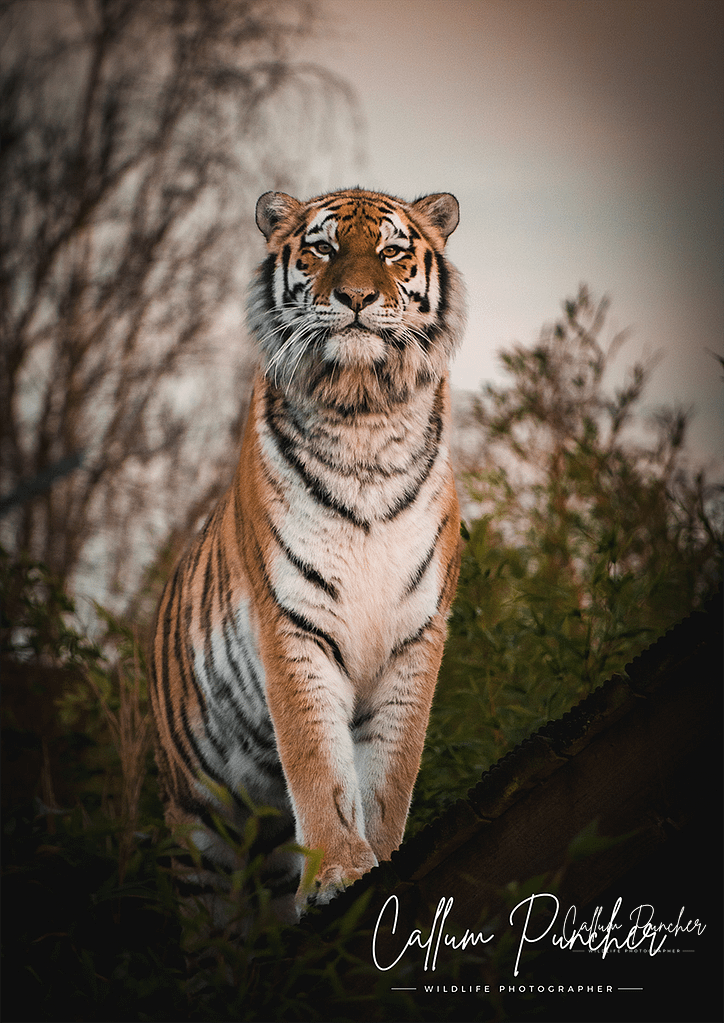
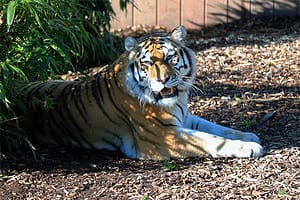
The amur tiger, more commonly known as the Siberian tiger, is one of the most powerful and impressive of all cats, in fact it is the largest. Its huge paws and piecing claws make it an excellent hunter.
Size
The tiger is known for it’s size compared to other cats but the amur tiger takes the top spot. Weighing at around 160-190kg for males and 110-130kg for females, the Siberian tiger would certainly not be mistaken for a small domestic cat that would sit on your lap. It even measures on average 3.3m in length.
Location
Because of intense killing on all populations for their skin and meat they have got a very short range. The main areas where these tiger exist are Russia, Northern China, and Korea. Their habitat consists of dense forests and mountains. This is why they are normally found in backdrops with a huge amount of snow.
Population
Amur tigers are seriously endangered because of poaching with an estimated population of 265-486 individuals in and around protected areas. On the IUCN red list they are considered Endangered. 95% of these live in the Russian far east. In 1947, Russia was the first country to ban tiger hunting completely.
Felidae Family Group
The tigers are classed in the scientific family group felidae. Which actually means they are very closely related to the domestic cats that we live with, surprisingly. This group includes lynx, wildcats,big cats like lions, leopards, and cheetahs, and domestic cats. All cats have very similar characteristics such as retractable claws and sharp teeth.
Diet
Amur tigers are so large that they have to eat prey that match’s the size of themselves, especially when the females have young to feed as well. Some of their prey consists of wild boar, sika deer, and red deer. In harsh times they will feed on smaller prey like badgers and raccoon dogs.
Predators
The tigers are usually the top of the food chain in most of their range but sometimes the animals they share their habitat with can be dangerous. For example wolfs and bear will attack, steal their food or even kill on very rare occasions. Some tigers deaths can be blamed on other tigers because they can die from wounds they had in territorial fights.
Fun Facts
Did you know that in 1940, Amur tigers were at the brink of extinction with only 40 tigers left in the wild. Unlike other big cats tigers love water and will swim as far as 7km (4.3miles) patrolling their territory through water.
Check out my other carnivora posts like my cheetah post

Amur Tiger Canvas Print
Capture the wild essence of the majestic Amur tiger with our captivating canvas print from Colchester Zoo. This premium quality piece showcases the tiger’s striking gaze and vibrant fur with lifelike clarity and color. Perfect for any room, it comes ready to hang, offering a bold statement and a touch of nature’s majesty to your space. This print not only decorates your home but also highlights the importance of wildlife conservation. Add a piece of the wild to your decor and let the spirit of the Amur tiger inspire you daily.





2 Responses
I want to bye it but I probs will not be allowed
Thank you that’s nice!
I know what to buy you for your next birthday then :-)