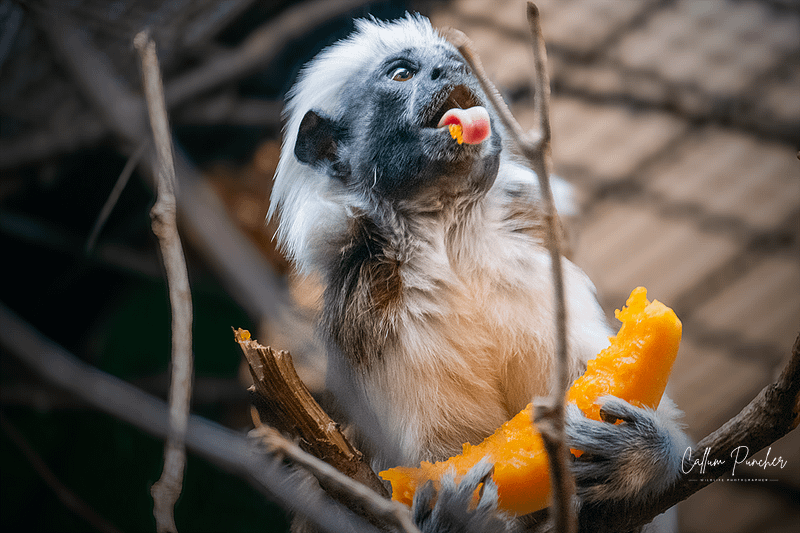
The cotton-top tamarin is a small but distinct species recognised for their fluffy white fur that covers the top of its head. These tiny primates play an important role in their rainforest habitat: dispersal of seeds across the forest.
Size
Like most Amazonian primates they are very small only weighing 300-500 grams. One thing that is impressive about their size is their tail which is around 10-11inches (25.4-27.9cm) in length with their body being only 9-10inches (22.8-25.4cm). Because of their size it does make it very easy to navigate the treetops where they spend the majority of their life.
Location
These tamarins are native to Northwestern Columbia in small areas of healthy, untouched forest. They live in tropical rainforests where they thrive in the treetops and dense vegetation contributing to this magnificent habitat. Most of their population is based around the cauca and magdelena rivers with some populations around the coast.
Population
Cotton tops are sadly now classed as critically endangered due to severe habitat loss and the illegal pet trade which has demolished their population. There is estimated to be around 2,000 individuals left in the wild but conservation efforts have started to try and help these stunning creatures. Although there are many amazing people helping them they are still in decline.
Callitrichidae Family Group
The cotton top tamarin is part of the family group Callitrichidae. This family group contain both tamarins and marmosets with around 42 species that inhabit South America. This family is actually the smallest of all the monkey classifications which is not surprising. The Callitrichids are the only family of primates that regularly produce twins, which make up 80% of births.
Diet
The cotton top’s diet has to be very effective and high energy because their body processes food very quickly. Their main diet is fruits, insects, plant sap/gum, and nectar. Although they will go for risky foods for little monkeys in harsh times such as succulent vegetation, spiders, small vertebrates and very rarely bird’s eggs.
Predators
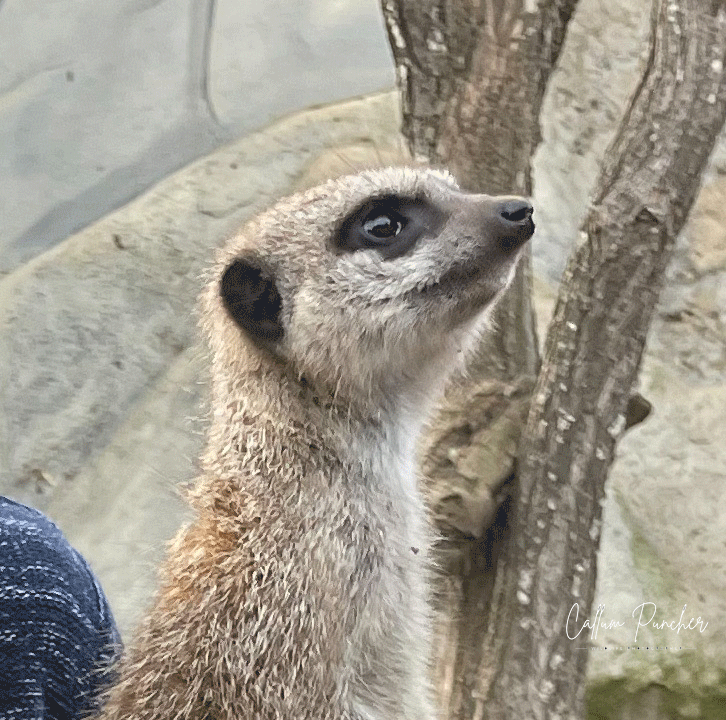
Because they are very small primates, there are many predators out thee who would class these tamarins as easy meals when hunting. Some of these include raptors, mustelids, felids and large snakes. An interesting behaviour that is usually associated with Meerkats is individuals keeping look out but surprisingly these tamarins do exactly that. Even to the point where they stay awake through the night.
Fun Facts
Did you know that to get their water that they need, cotton top tamarins lick leaves with dew or raindrops on them. They also make the crown of fur on their head stand on end when either excited or alarmed.